Give customers the basics.
Your hours, what you offer, a few good photos, and a clear way to reach you. All easy to read on a phone.

Websites & useful tools
Can customers find what you do, see your work, and get in touch? If your website makes that harder than it should—or you haven’t got one yet—we can start there.
You don’t need to know how to build it. Tell me what your customers need and what would make your day easier. I’ll help you work out a sensible first step.
Tell me about your businessNeed something beyond a website? ↓Your hours, what you offer, a few good photos, and a clear way to reach you. All easy to read on a phone.
Keep the useful words, photos, and important links. We’ll get the new site ready before switching your website address over.
Give customers a form that asks for the details you need. If they need to send photos or drawings, we can include that in the plan.
Need to change a menu, add photos, or update bookings? We can include tools for those jobs and show the right people how to use them.
If you keep copying the same information between lists or calendars, tell me how it works. A tool built for that job may be worth discussing.
We’ll talk through keeping the site online, making changes, and any ongoing help you want. You’ll know what’s included and what costs extra.
Custom websites & applications
Maybe you need a booking calendar, a place for customers to sign in, or a way for your team to keep track of things. Tell me how you want it to work. We can figure out the technical part together.
These builds have their own price. We’ll agree on what to include, what it will cost, and when the work can happen before starting.
Let customers or members sign in, see their own information, or share photos and updates. We decide who can see what and who reviews anything people add.
Give your team a place to manage bookings, change menus, or add photos. Each person gets access to the parts they need for their job.
Some projects need maps, reminders, or an app people can add to their phone. We’ll look at what will work on the devices people use and explain any extra costs.
Here are two examples of what that can look like.
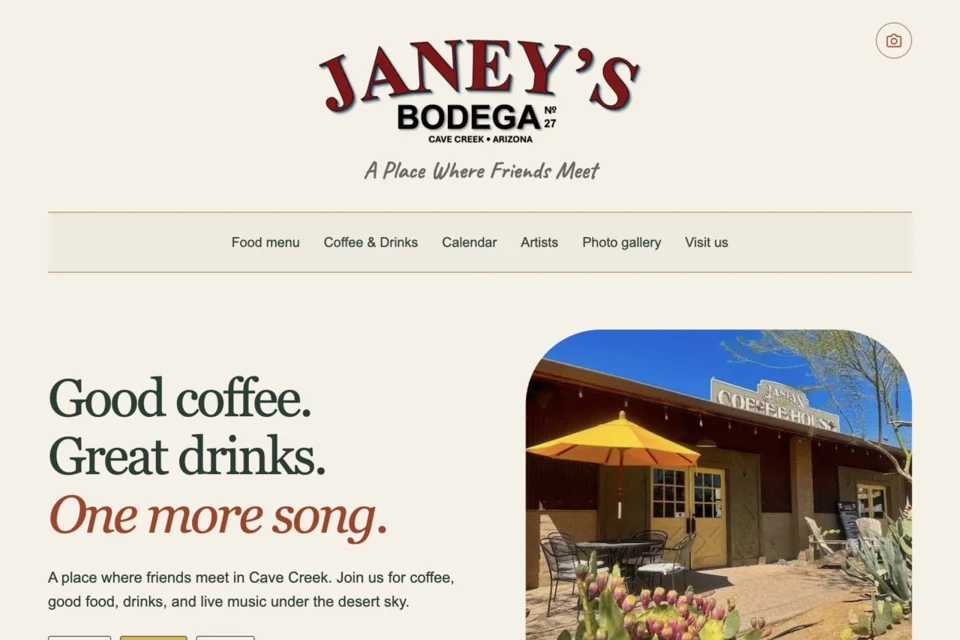
Client project · Calendar & staff tools
Customers can see upcoming music, read the menus, and share photos. Behind the scenes, invited staff can update the parts of the site they look after.
The calendar, bookings, photos, and artist pages work together. Staff can review changes and see what was updated, while useful links from the old website still work.
See Janey’s website & staff tools →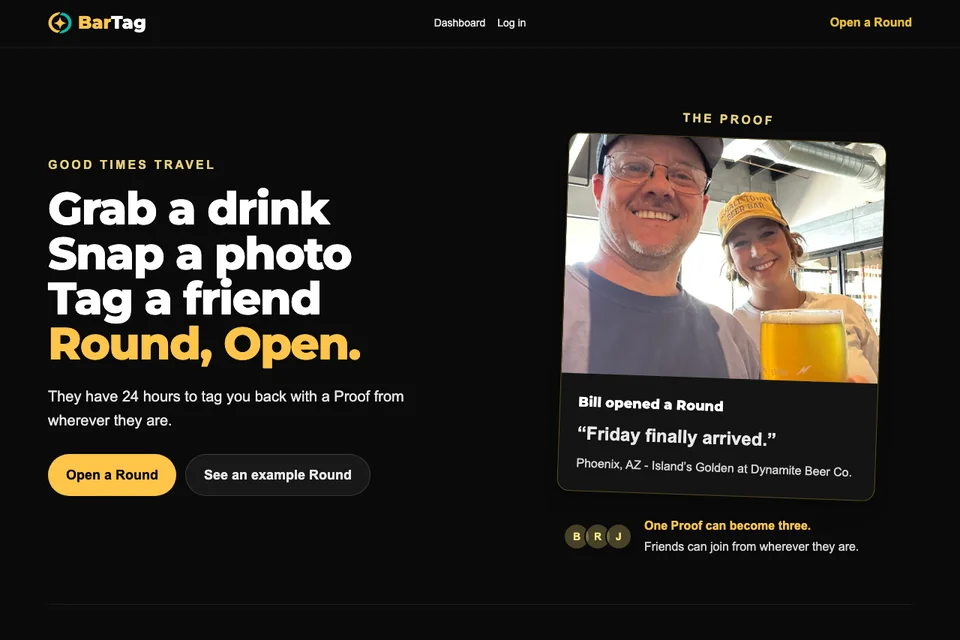
Independent project · Social web app
My original Android game, rebuilt to work through the web and be added to a phone. Friends sign in, play shared Rounds, and post photo Proofs from real-world places.
Players can look back through their photos, collect Badges, and explore a map. Round details stay private to the people taking part; eligible activity at public Places can appear on the TagMap.
It’s one of my own projects, from the idea and design to the tools needed to keep it running.
Explore the BarTag app rebuild →Working out the details
Send your website address if you have one, and describe what you want to change. A few examples from your day are more useful than a list of technical terms. If you have a budget or date in mind, include that too.
We’ll work out what needs to be built, who will use it, and what information needs to move from your current setup. Then we agree on the work, price, timing, and points where you’ll review it.
We’ll also discuss keeping it running after launch. Hosting, other paid services, maintenance, and future changes have their own agreed costs.
More website work
Sometimes a few clear pages and the right contact form are what a business needs. These examples give customers a way to learn more and ask for work.
An older website rebuilt with details of the shop’s work, project photos, and a quote form that accepts drawings.
Explore the machining website rebuild →A focused Wix cleanup for a singer-songwriter, with clearer mobile pages, corrected show times, and consistent branding.
Explore the musician website cleanup →A contractor website with service pages, an estimate form, and a gallery staff can manage.
Explore the contractor website and gallery →Know the cost before you start
The standard website packages are $400 USD for Basics, $600 for Standard, and $1,500 for Premium. The homepage shows the page limits, features, and rounds of changes included in each one.
Premium includes articles you can publish, a photo gallery you can update, and training to use the editor. Customer sign-ins, custom calendars, booking systems, and tools for your team have their own quote. So do Shopify projects and more involved moves from an old website.
Keeping the site online and registering your website address cost extra. We’ll explain those costs and any other paid services, and agree on the work and timing before you pay. Compare the website packages →
Have an idea that needs more? See the custom website and app examples above.
Before you get in touch
That’s fine. Tell me what customers need to find or do, and what would make the work easier for you. I’ll explain the options and which parts fit a standard package or need a separate quote.
Yes, a rebuild can keep your address and bring across useful content and photos. We review important old links and plan how to send visitors to the right new pages.
That depends on what we build. Premium includes articles, a photo gallery you can update, and editor training. Other editing tools are agreed separately. For a simpler site, you can ask me for changes and we’ll agree on the cost first.
A new website, an old one that needs attention, or a job that takes too long. A few words about it are enough to start.
Tell me about your businessOr email hello@wannawow.com.